
The Promise of July: Why Young People Demanded a New Bangladesh
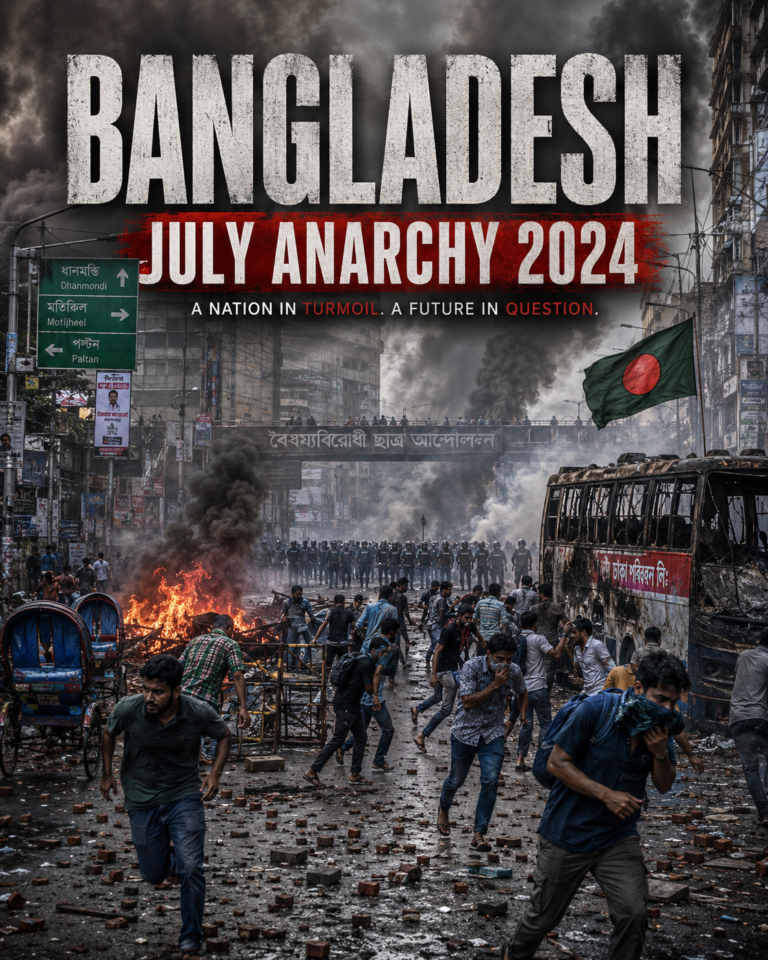
In recent years, the socio-political climate in Bangladesh has reverberated with calls for change, primarily driven by the nation’s youth. Frustrated with endemic corruption, lack of transparency, and limited political accountability, young people have emerged as a formidable force, demanding a new Bangladesh that aligns with their aspirations for a better future. The month of July acted as a catalyst, igniting widespread protest and mobilization across various demographics, mostly comprised of the youth.
The youth’s dissatisfaction stems from decades of political stagnation, where power dynamics have favored a small elite while marginalizing the voices of ordinary citizens. This discontent became particularly palpable as social media platforms transformed into arenas for expression and activism, enabling young Bangladeshis to organize protests and campaigns that challenge the entrenched political structure. The collective zeal demonstrated through these movements underscored a profound desire for systemic reform, ultimately advocating for a government that would prioritize inclusive representation and social justice.
Furthermore, educational institutions have become hotbeds for political consciousness, where students engage in debates and discussions surrounding governance and civic rights. The role of civil society organizations in cultivating this political engagement cannot be understated. Many young individuals have become well-versed in their rights and responsibilities, fueling their determination to hold leaders accountable. As they mobilize to demand better governance, whether through peaceful demonstrations or innovative social media campaigns, they articulate a vision of a Bangladesh that reflects democratic values and fosters civic engagement.
Ultimately, the events of July have crystallized the notion that young people are ready to challenge the status quo. Their courage and commitment signal the possibility of profound shifts in the country’s political landscape. This momentum provides hope for a future that aligns closely with the principles of democracy, transparency, and inclusiveness, leaving a lasting impact on the governance of Bangladesh.
The Danger of Old Habits: Patronage, Revenge Politics, Corruption, and Institutional Capture
The political landscape in Bangladesh has long been characterized by complex and entrenched issues including patronage networks, revenge politics, rampant corruption, and institutional capture. These problematic behaviors have fostered a political culture that regularly undermines progress and hinders effective governance. Understanding the implications of these habits is essential, particularly as the country stands at a critical juncture.
Patronage, where political leaders award jobs, contracts, or favors to loyal supporters, has created a system that prioritizes loyalty over merit. This practice often results in inefficiency and a lack of accountability within public institutions. As loyalty often outweighs competence, the populace suffers from inadequate public services and a failure to address pressing social issues.
Revenge politics is another detrimental element that frequently resurfaces in Bangladeshi politics. Instead of fostering collaboration and dialogue, political rivalries often lead to retaliatory actions that create an environment of mistrust and hostility among political factions. Such behaviors reinforce division, leaving little room for constructive discourse or coalition-building, which is critically needed for reform.
Corruption in various forms permeates many levels of government, further diminishing public trust. From bribery to embezzlement, corrupt practices divert essential resources away from development and welfare projects. As public officials engage in corrupt transactions, citizens become increasingly disillusioned with their leaders and the political process, fostering a culture of apathy and cynicism.
Moreover, institutional capture occurs when powerful interest groups manipulate public institutions to serve private agendas. This not only limits transparency but also stifles democratic processes. The collective impact of these old habits raises significant concerns about political stability, as they can lead to widespread dissatisfaction and unrest among citizens who are increasingly demanding accountability and reform. The challenge for Bangladesh lies in breaking these cycles to foster a more equitable and transparent political environment.
The Economy Cannot Wait: Prices, Jobs, Investment, Banking Reform, and Garment-Sector Stability
Bangladesh’s economy is currently facing a series of formidable challenges that demand urgent attention. Rising prices have become a pressing concern, affecting the purchasing power of consumers across the nation. Inflation, spurred by a combination of global economic pressures and domestic factors, is straining household budgets and increasing the cost of living for many citizens. The need for effective measures to stabilize prices cannot be overlooked, as the population grapples with the realities of soaring costs.
Unemployment is another significant issue impacting the socio-economic landscape, particularly among the youth. As the nation strives for growth, creating job opportunities is essential not only for sustaining livelihoods but also for fostering social stability. Employment generation must be a priority, attracting investment and stimulating economic activities in various sectors.
Investment, both foreign and domestic, plays a crucial role in bolstering Bangladesh’s economy. The country needs to create an attractive environment for investors by ensuring regulatory clarity and promoting ease of doing business. This involves addressing infrastructure deficiencies and enhancing the overall investment climate, which will serve as a catalyst for development across multiple sectors.
Banking reform is paramount to ensure that financial institutions support the economy effectively. Strengthening governance, enhancing transparency, and improving accountability within the banking sector are necessary steps to inspire trust and mobilize resources. Reforming the banking system will enhance its capability to finance businesses, particularly within the vital garment sector.
The garment industry stands as a cornerstone of Bangladesh’s economy, contributing significantly to employment and export revenues. Stability in this sector is essential for the overall economic health of the nation. Ensuring that garment factories operate under fair conditions and with proper investments will sustain their contributions and advance the overall economic momentum needed for any political shifts.
The State Must Belong to All Citizens: Minority Protection, Freedom of Expression, Judicial Independence, and Professional Security Institutions
A truly representative state is one that embraces all its citizens, fostering an environment where every individual can voice their concerns and contributions freely. In Bangladesh, the ongoing discourse surrounding minority rights is critical; protecting the rights of all citizens, irrespective of their ethnic, religious, or social backgrounds, forms the cornerstone of a just society. Historical evidence suggests that marginalized groups, if left unprotected, face rising discrimination and hostility, undermining societal stability.
Furthermore, freedom of expression serves as a vital element for democracy. Citizens must have the right to openly express their opinions and dissent without fear of retribution. The enhancement of this freedom is paramount for an inclusive national dialogue, allowing diverse perspectives to surface and contribute to the nation’s development. The state’s approach towards media and public discourse directly impacts its legitimacy and the degree of social cohesion that can be achieved.
Judicial independence is another critical feature of any democratic state. A fair judicial system not only provides an avenue for the protection of individual rights but also acts as a check against governmental overreach. The separation of powers upholds the rule of law, ensuring that justice is administered without bias or external influence. A judiciary that operates without fear or favor is essential for maintaining public trust in the governance system.
Lastly, the establishment of professional security institutions is vital for all citizens’ protection. These institutions must operate under the framework of accountability and transparency, prioritizing public safety and rights over political affiliations. By ensuring the capacity to protect all citizens equally, the state paves the way for a harmonious and prosperous society where everyone can thrive. Such an environment can stimulate engagement, encourage diverse participation, and solidify national discourse—all vital for Bangladesh’s future development.